Freevee: Ad-supported streaming
Designing a streaming experience from zero to launch
A standalone mobile app built for how people actually watch
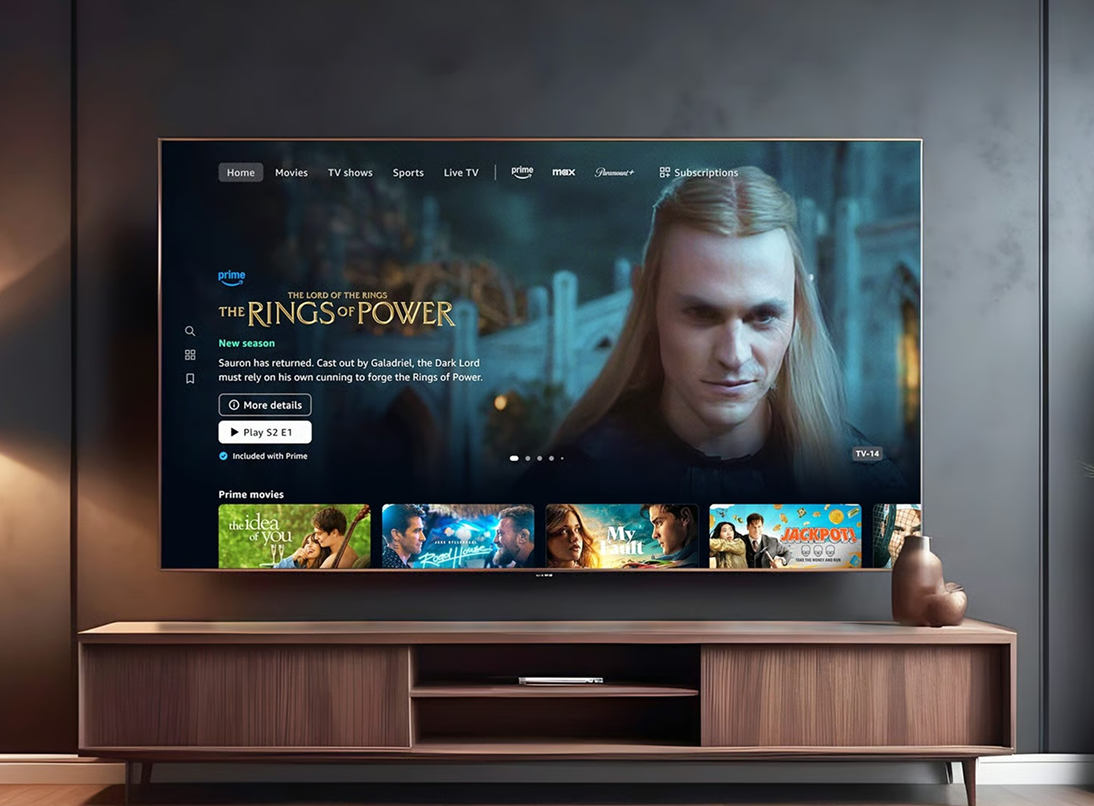
A standalone mobile app built for how people actually watch
Streaming was everywhere, but mobile streaming was broken. Only 12% of customers said they could easily find content on streaming platforms, and the apps that existed all looked and felt the same. Freevee had something competitors didn't: free content, live streaming, and the trust equity of IMDb's ratings and reviews. I led the UX and UI design of the Freevee standalone mobile and tablet app from concept through launch, building a discovery and playback experience designed specifically for the way people watch on their phones.
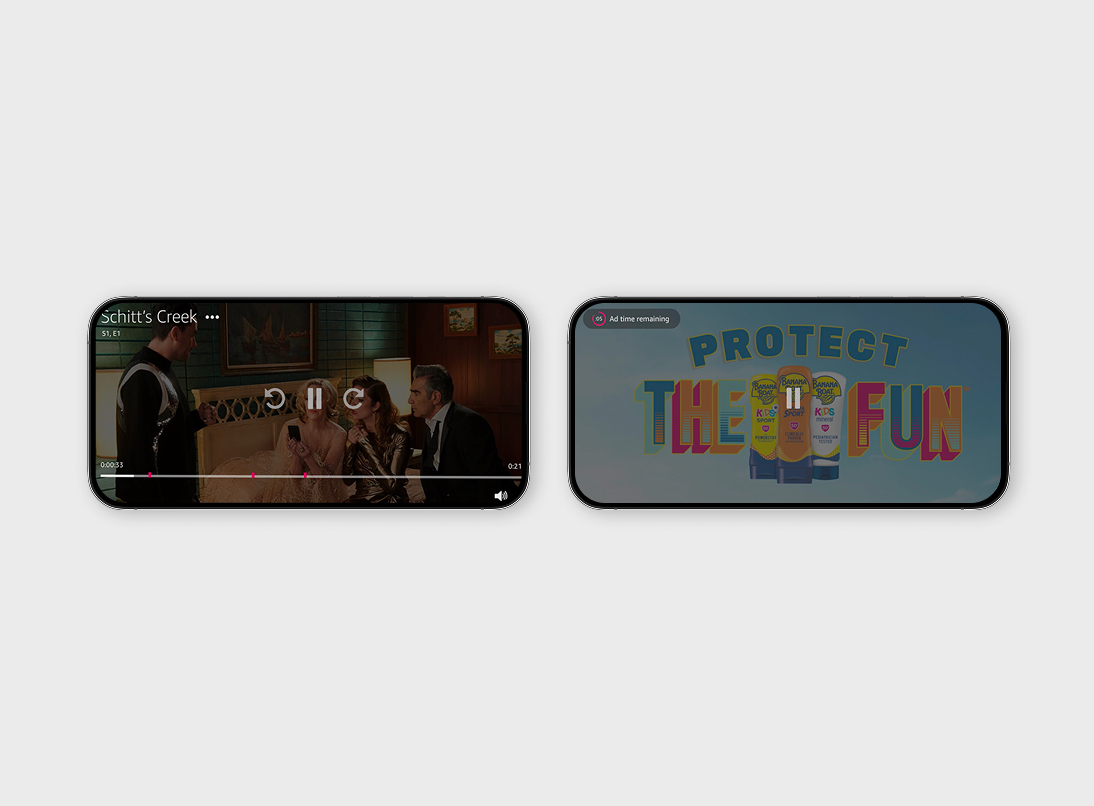
The streaming wars had produced a generation of apps that optimized for the living room, not the pocket. Mobile watching is fundamentally different- attention is fragmented, sessions are shorter, environmental factors like location, company and available time all influence what someone wants to watch. Competitors had largely ignored this. Their mobile apps were shrunk-down TV experiences, not purpose-built mobile ones. Freevee also had a specific challenge around transparency, it was ad-supported and free, which was a genuine differentiator, but only if customers understood and trusted the model. Surprise ads during playback were one of the biggest frustration drivers across streaming platforms.
Re-branded in 2021 to widespread coverage including The Verge, which noted the Freevee app was specifically designed for the streaming experience - the first time the service had been purpose-built for mobile after being available on Fire TV, Roku, Xbox, PlayStation and smart TVs.
Beyond the app itself, Freevee became the launchpad and early experimentation ground for what would eventually become Prime Video's ad-supported tier. The ad playback model, transparency patterns, and content architecture I designed for Freevee informed the thinking and foundation for how Amazon approached ad-supported streaming at scale across its flagship Prime Video product. What started as a standalone free streaming app became a proving ground for one of Amazon's most strategically significant product moves in streaming.
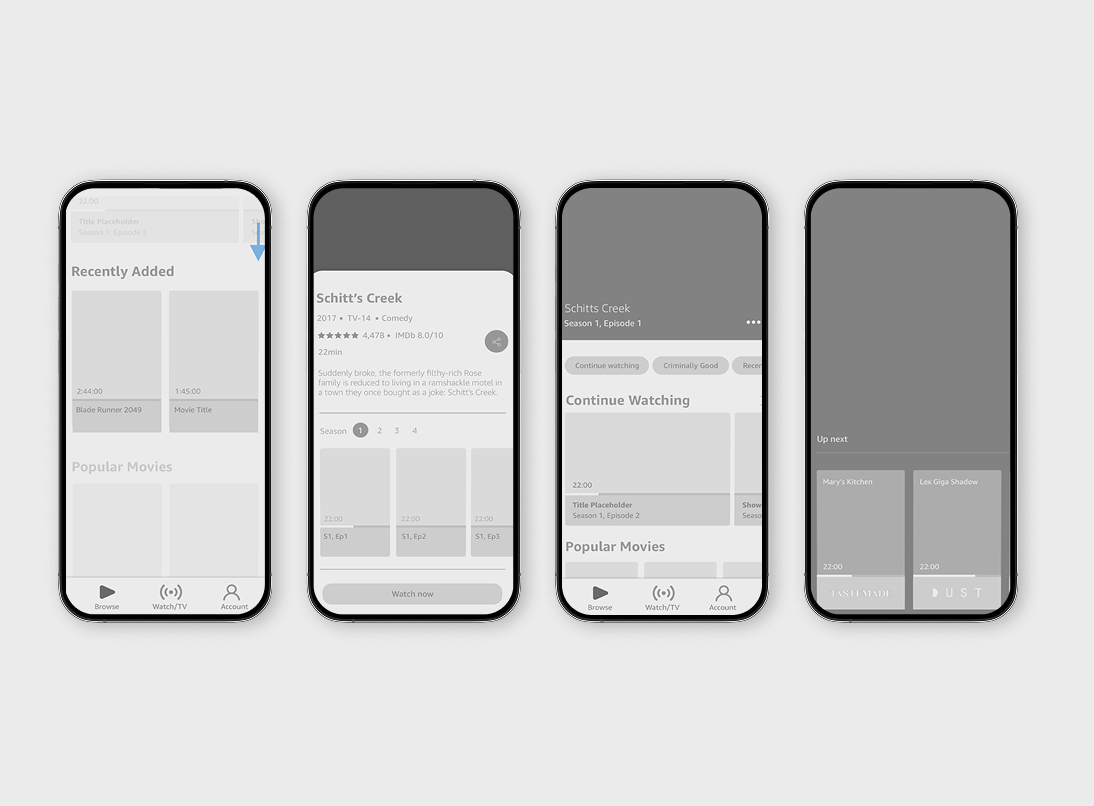
The challenge wasn't adding more features. It was designing a system that could interpret signals and respond dynamically. I kept coming back to one question: how do you make something that serves hundreds of millions of people feel like it was made for you?
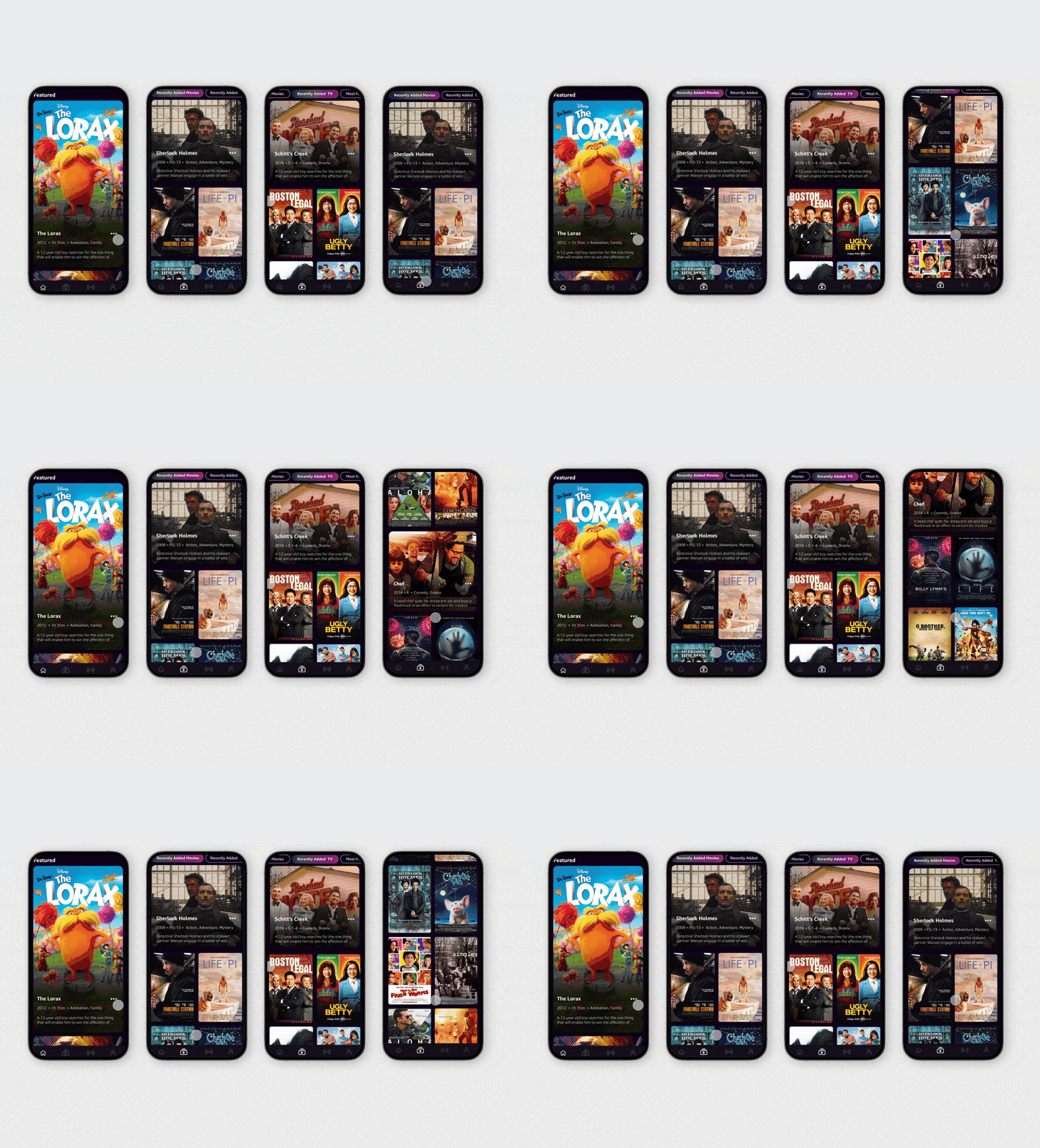
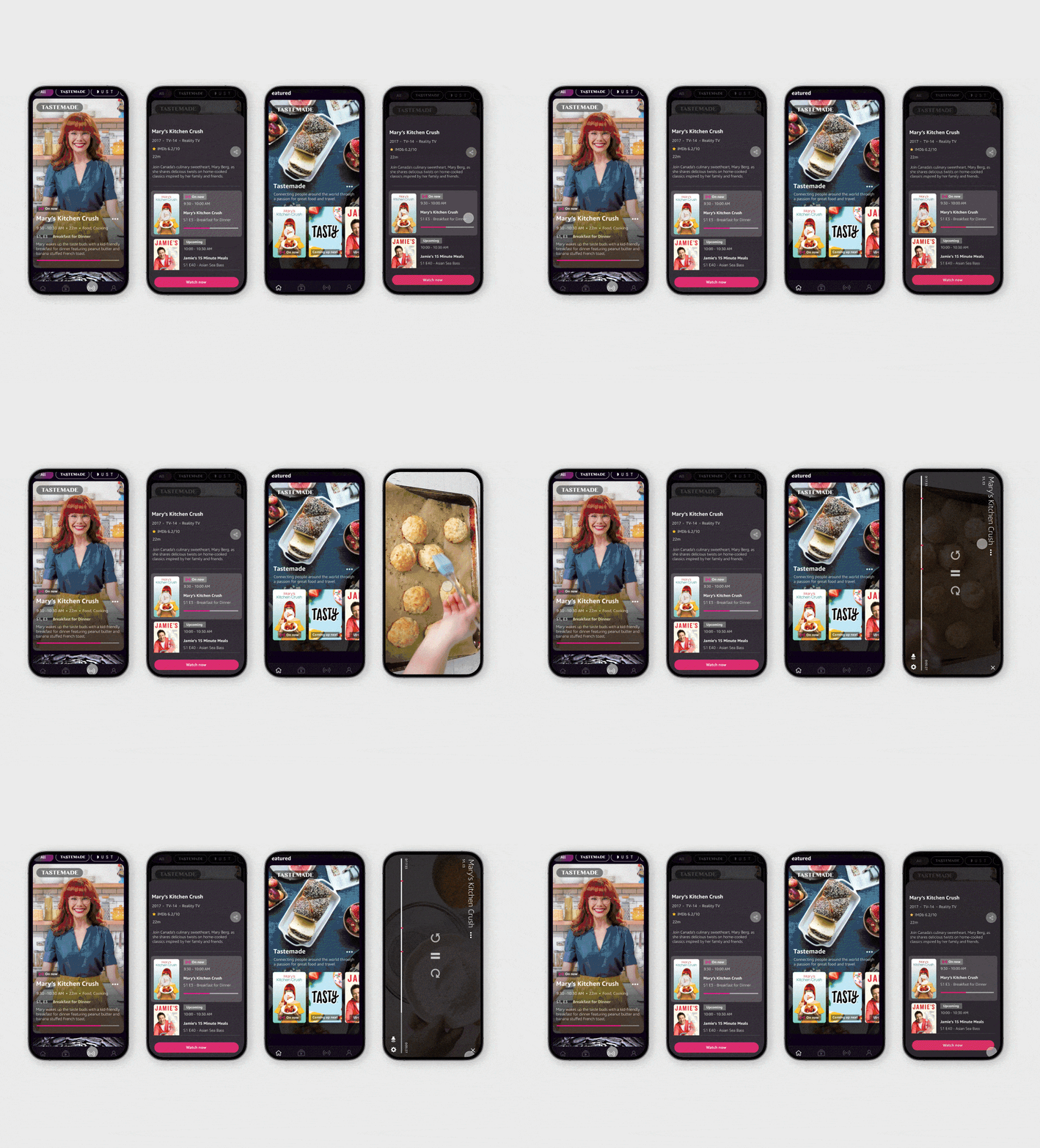
Following launch I defined the next phase of the product- full search capability including genre, title, collection and cast member lookup, a curated and personalized recommendations engine, watchlists and playlists, and snackable series content optimized for short-form mobile consumption in the style of Instagram Reels or TikTok. Each recommendation was grounded in post-launch customer feedback and designed to deepen engagement over time.
Building a streaming app from zero is a systems challenge as much as a design one. The decisions that matter most aren't the visible ones - they're the sequencing calls, the transparency choices, the component architecture decisions that determine whether a product can grow. Freevee launched clean, focused and purpose-built for mobile. That foundation made everything that came after possible.