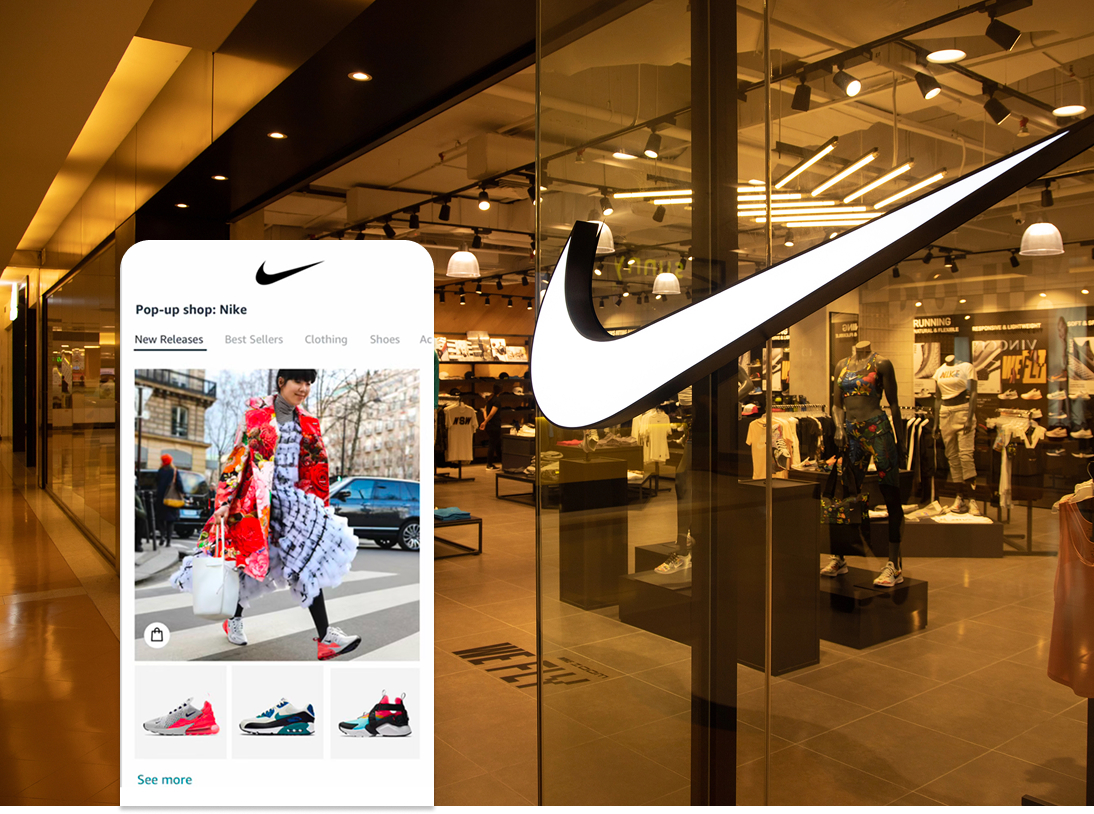
Amazon Luxury Stores: The Gallery
Redefining how luxury operates on a non-luxury platform
Where brands become exhibitions and products become moments.
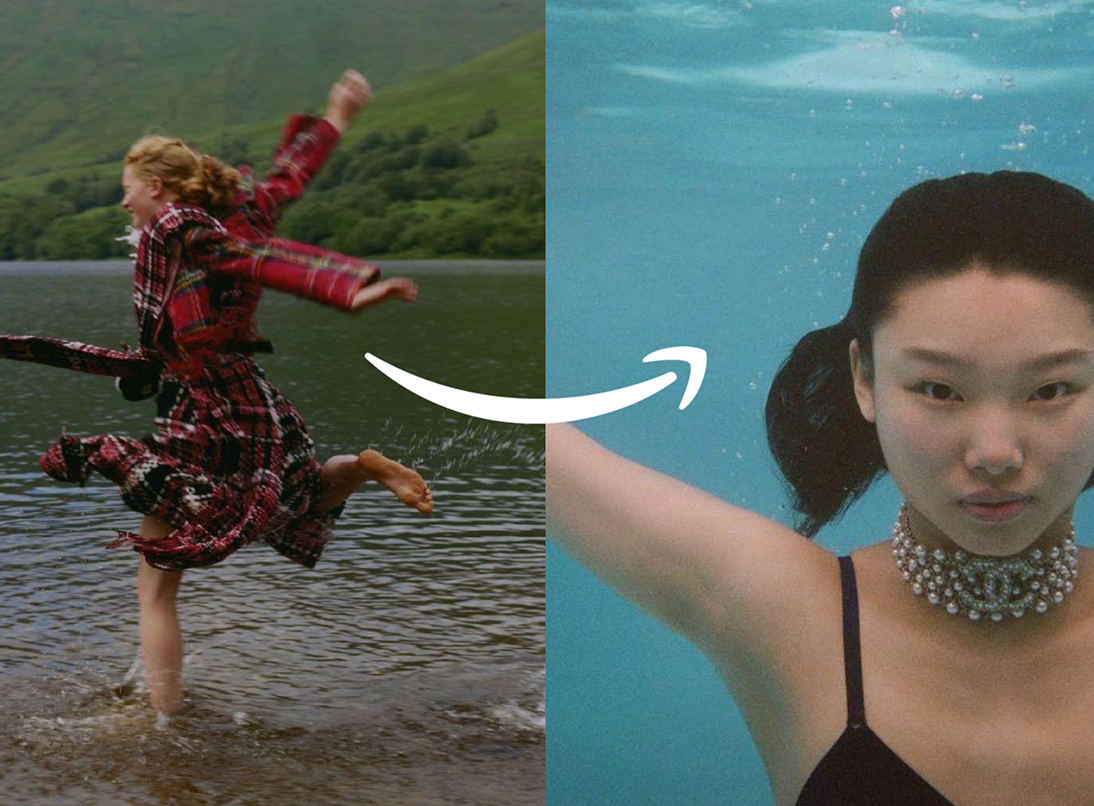
Where brands become exhibitions and products become moments.
Amazon dominated nearly every retail category except luxury. Not because customers weren’t interested, but because brands didn’t trust the platform to preserve their identity.I led the concept, strategy, and design of Amazon Luxury Stores, a new operating model that gave premium brands something they had never had on a mass platform: control, curation, and presence.
Luxury does not sell products. It sells perception.
Amazon’s default experience, dense grids, comparison shopping, and algorithmic recommendations, was the opposite of what luxury requires. The challenge was not designing a new interface. It was creating a new operating model that could exist within Amazon without being consumed by it.
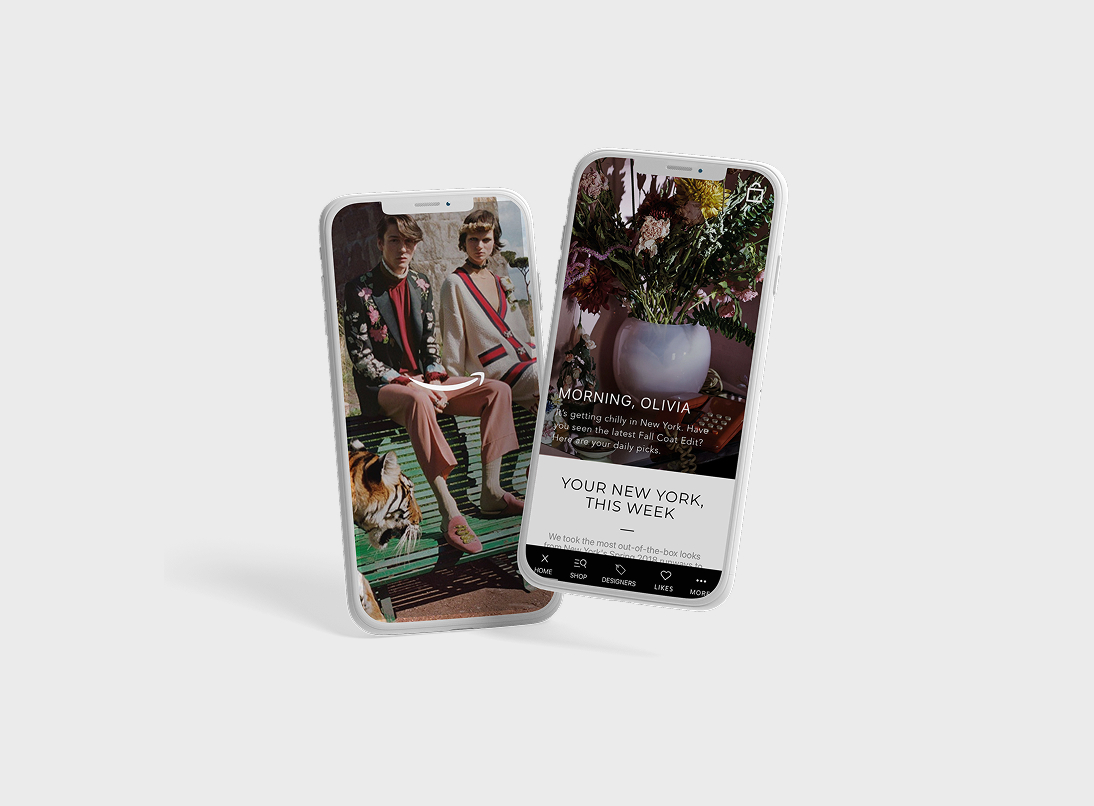
I owned this from concept to launch, defining the strategy, experience model, and design system.
I established the walled-garden architecture, created the visual and interaction language, and partnered directly with luxury brands to bring their identities to life within the system.
This was not an iteration. It was a net new experience category built from the ground up.
The solution was a walled-garden system that allowed the experience to leverage Amazon’s infrastructure, including account, fulfillment, and trust signals, while remaining visually and experientially distinct. Each brand space functioned as an exhibition, with editorial layouts, seasonal storytelling, and controlled navigation designed for exploration over search. The result felt closer to walking through a gallery than browsing a catalo
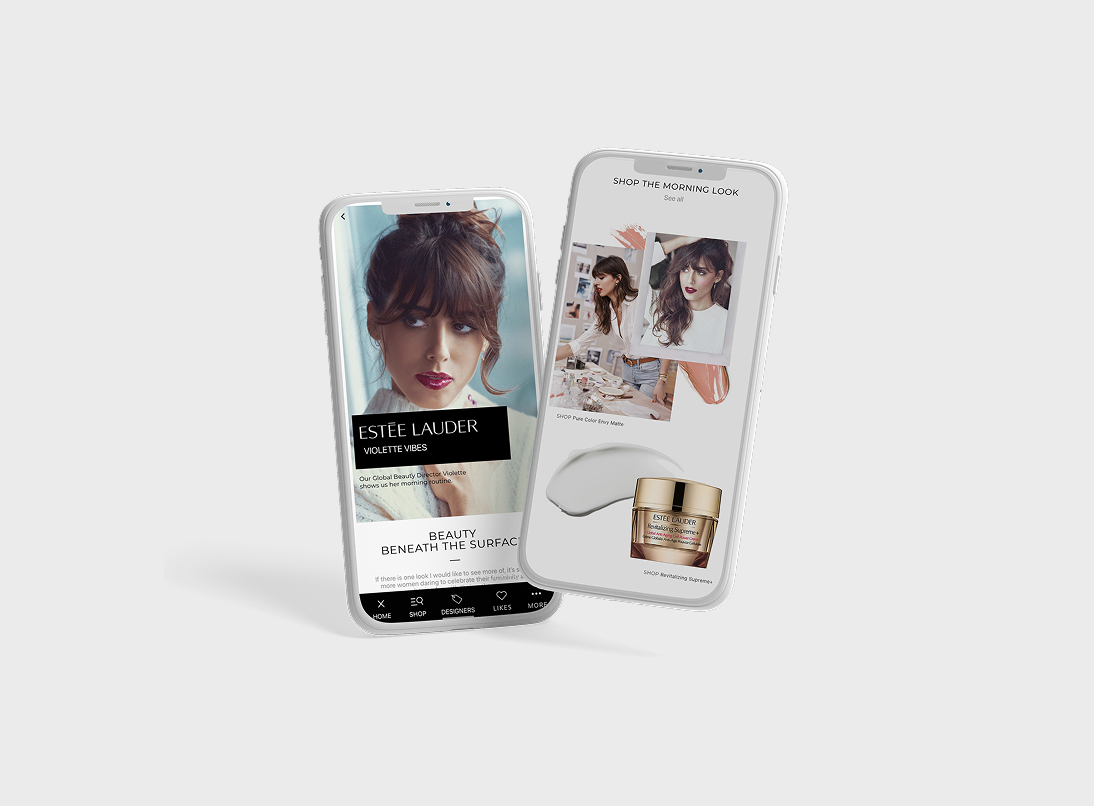
Amazon Luxury launched with Oscar de la Renta as a flagship partner and featured in Vogue as a new model for immersive, brand-controlled digital luxury retail. Established a new operating model for premium brands on a mass platform — one that protected brand identity while leveraging Amazon's infrastructure and customer base.
This work created the foundation for Amazon’s entry into the luxury category.
I made one foundational decision early that shaped everything: this would not be designed like a store. It would be designed like a gallery. That single reframe changed every design choice that followed layout density, pacing, navigation, imagery scale, typography weight. Where Amazon typically optimizes for speed and comparison, I deliberately slowed the experience down. Space became a design element. Restraint became a feature.
Each brand received a dedicated environment- not a product listing page, but an exhibition space. Brands could set a mood, tell a collection story, and present product the way a physical flagship would. The experience shifted the model from browsing to viewing to selecting.
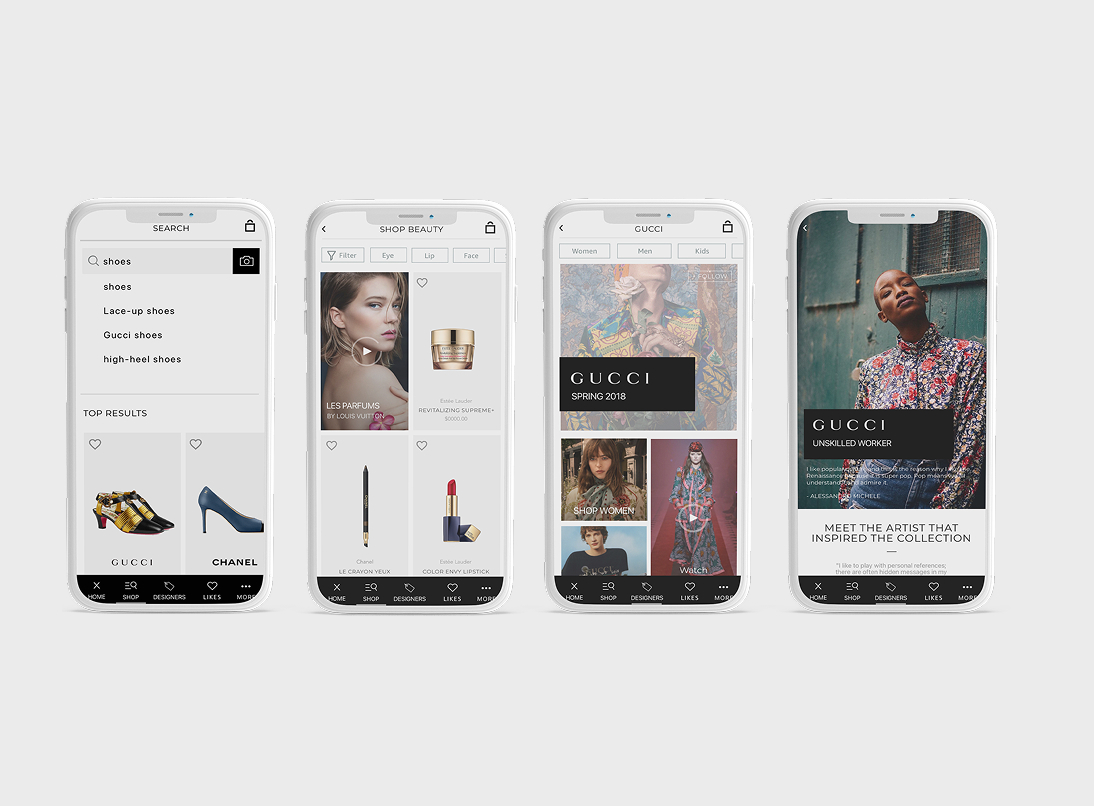
Design can create atmosphere, trust, and meaning even at global scale.
Not just efficiency.